projects
Pre-order fashion shop website design for MoonChic Order
A website for a shop that orders authentic designer goods from abroad: mobile-first layout, proof-of-authenticity blocks, clear order status, NGINX caching for load speed.
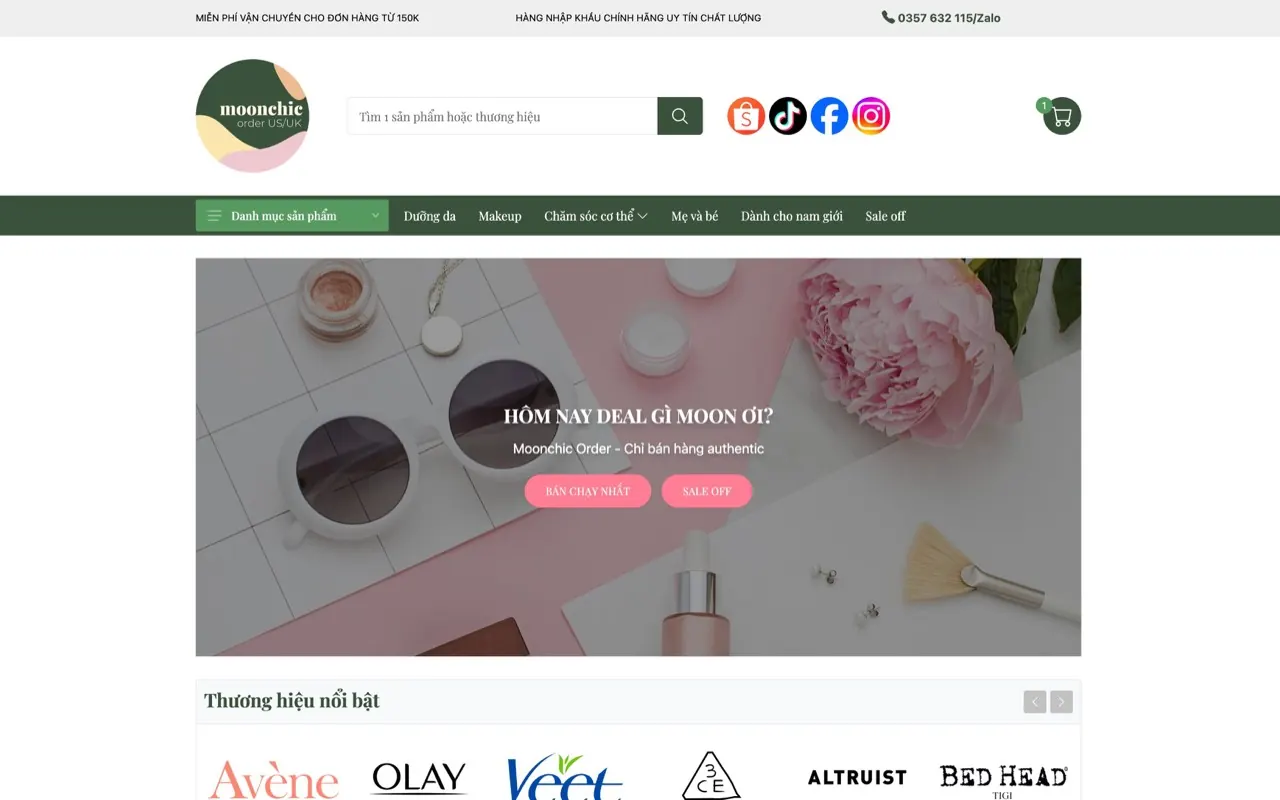
- Role
- Theme Developer
- URL
- moonchicorder.com.vn
MoonChic Order buys authentic designer fashion from overseas stores on behalf of its customers, a model Vietnamese shoppers call "order" buying. Retail with stock already in a warehouse works differently. The order model brings two problems of its own: customers have to trust the shop before they pay, and they have to understand that the goods take time to arrive.
Proof-of-authenticity blocks inside the buying flow
With designer goods, the first question in a customer's mind is always "is it real?". Every website says "guaranteed authentic", and those words alone convince nobody.
Instead of a long "About us" page, I built a block of evidence right next to the buy button:
- Photos of purchase receipts from overseas stores
- The order process laid out step by step
- Real photos of products that reached customers
Clear stock status to avoid misunderstandings
The order model invites complaints if customers think the item ships as soon as they place the order. The display prevents that: each product carries one status, in stock or on order, with an expected arrival date for the batch on its way.
The status shows right on the product card in the category page, before anyone opens the product details.
A one-person operation: every task has to work on a phone
The owner runs the shop alone. The same person places the overseas orders, takes the photos and answers customer messages, with almost no time at a computer.
That shaped the whole admin side. I cut every data field the shop didn't truly need, so posting a new product takes only a few steps and fits comfortably on a phone. A full-featured CMS that takes fifteen minutes per product would go unused: the products would only appear on social media, and the website would slowly be abandoned.
For performance, NGINX caches almost every page as static files, and only the blocks that need real-time updates stay dynamic. Most of the shop's customers arrive on mobile data through social media links, and if the page doesn't show up right away, they go back to the app.
More projects
all projects →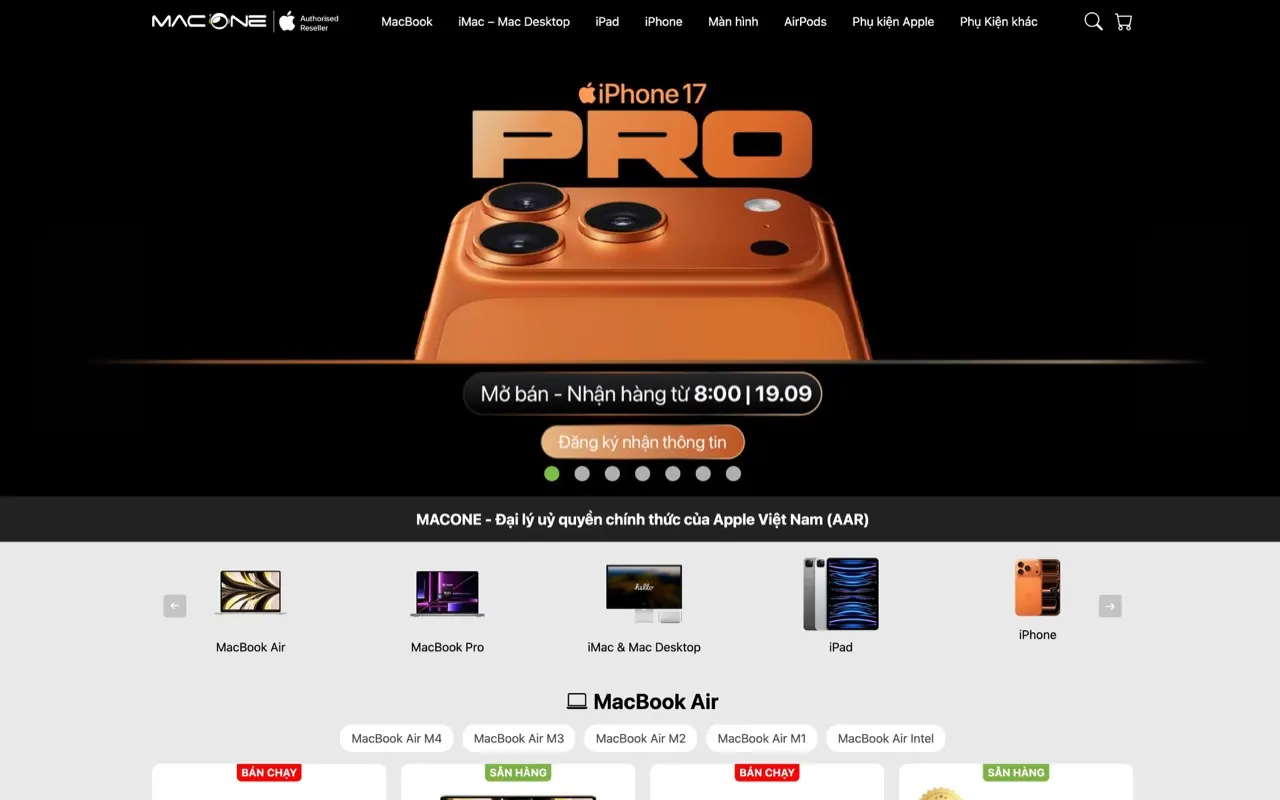 MacBook retail website design for MacOneA retail website for MacBooks and Apple accessories with spec filters, multi-variant product management, and prices synced directly from KiotViet in the stores.read more →
 Apple retail website design for 1ProA retail website for used and factory-sealed MacBooks, iMacs and iPhones: a custom WordPress theme, filters by device condition, product data synced from KiotViet.read more →
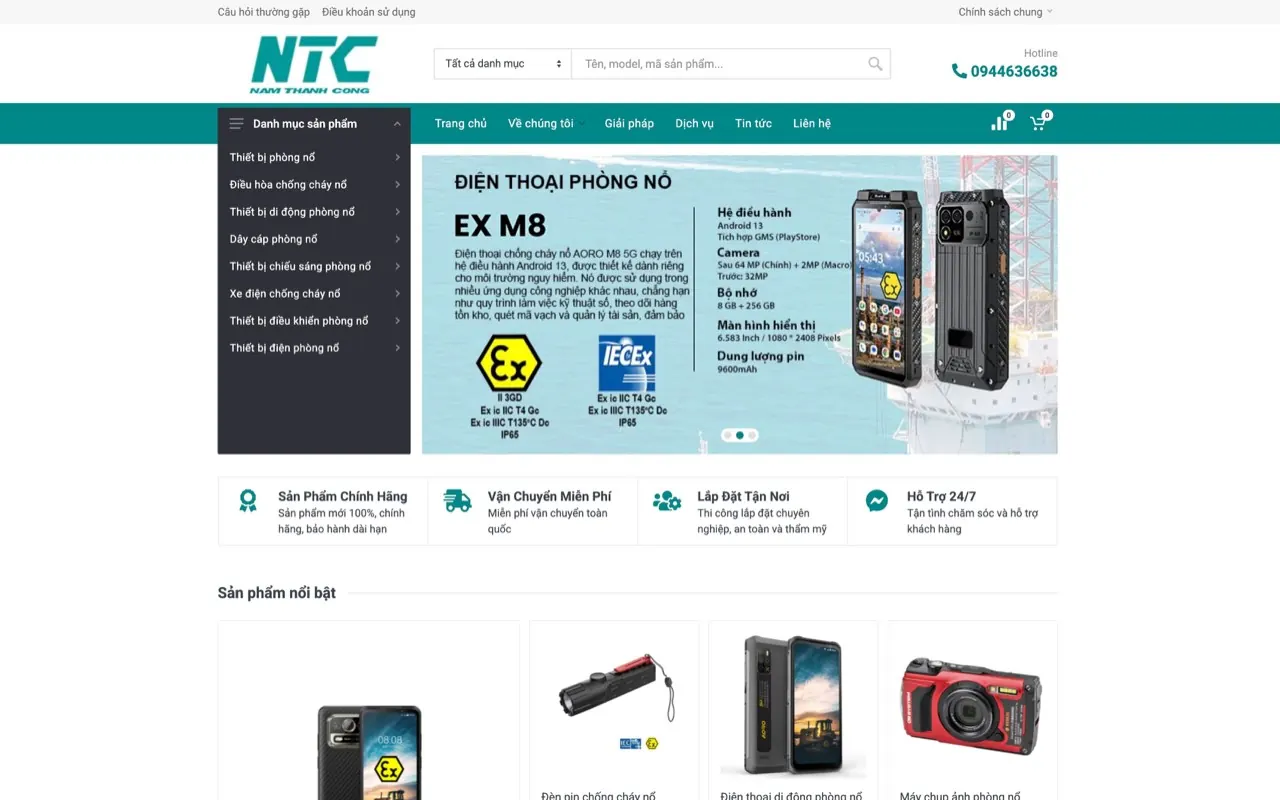 B2B catalogue website design for Nam Thành CôngA catalogue website with thousands of telecom, industrial and measurement products: a multi-level taxonomy, lookup by brand and specs, and a quote form for each product.read more →
 Real estate website design for Indochina CapitalA bilingual brand website for a real estate investment firm: a portfolio-style project catalogue, team profiles, and a news section the communications team runs itself.read more →